
Blog
A Global Comparison for Sabbaticals and Gap Years
Becoming a marine conservation volunteer in 2026 can mean very different things, depending on where you go. You might join turtle patrols in Costa Rica, survey coral reefs in the Maldives, or help with shark research in South Africa. These programs now reach almost every major ocean.
Interest has grown sharply in recent years. Some people take a sabbatical from work. Others plan a structured gap year. Many destinations advertise a similar trip, but the scope and depth of the work vary widely.
Most placements tend to follow one of four models:
- Species-specific conservation (e.g., turtles or sharks)
- Reef-focused scientific monitoring
- Tourism-adjacent marine initiatives
- Community-integrated coastal conservation
A smaller number of programs combine several of these approaches within a single placement. Madagascar, for example, is increasingly recognised for offering a marine conservation volunteer experience that integrates reef monitoring, species protection and direct community engagement within one coastal ecosystem.

For anyone considering becoming a marine conservation volunteer abroad, understanding these distinctions is essential. Below is a structured comparison of the top marine conservation volunteer destinations in 2026.
What Does a Marine Conservation Volunteer Typically Do?
Before comparing destinations, it helps to clarify what marine conservation volunteering generally involves.
Most marine conservation volunteer programs include some combination of:
- Coral reef health monitoring
- Fish and invertebrate biodiversity surveys
- Sea turtle conservation
- Shark or megafauna identification
- Coral restoration or nursery maintenance
- Marine debris removal
- Community environmental education
- Data collection for ongoing conservation projects
However, the balance of these activities differs by destination — and that difference shapes the overall experience.
Costa Rica – Sea Turtle Programs
Costa Rica remains one of the most established destinations for a marine conservation volunteer focused on sea turtles.
Primary Focus:
- Nesting patrols
- Hatchling releases
- Nest relocation and monitoring
Costa Rica’s turtle conservation model provides clear wildlife impact and structured volunteer roles. Many placements are seasonal and operate during peak nesting months.
Strength: Direct, visible conservation impact for endangered species.
Limitation: Marine ecosystem exposure is often limited primarily to turtle conservation rather than broader reef systems.
For volunteers specifically seeking a sea turtle conservation volunteer experience, Costa Rica remains a strong choice, although destinations such as the Maldives and Madagascar also offer such programs.
Belize – Coral Reef Programs
Belize offers marine conservation volunteer programs within the Belize Barrier Reef, a UNESCO World Heritage site.
Typical Activities:
- Coral reef monitoring
- Lionfish (invasive species) control
- Biodiversity surveys
- Marine debris clean-ups
These placements are dive-oriented and centred on reef ecosystems.
Strength: Work within one of the world’s largest reef systems.
Limitation: Costs can be relatively high due to island logistics and dive operations, which may restrict longer sabbatical stays.
For volunteers prioritising reef-focused marine conservation volunteering, Belize offers strong biodiversity exposure.

Maldives – Coral Atoll Ecosystems
The Maldives draws volunteers who care about coral health. Much of the work looks at bleaching, when heat turns coral white.
Focus areas:
- Reef surveys
- Coral nursery work
- Turtle ID
- Reef resilience checks
Many of these programs sit near resort islands, or run through tour firms.
Strength: Some of the finest coral atolls in the world.
Trade-off: Travel and living costs are high. The work can also bend around the tourist season.
The Maldives appeals particularly to those seeking reef-based marine conservation volunteer work in well-developed settings
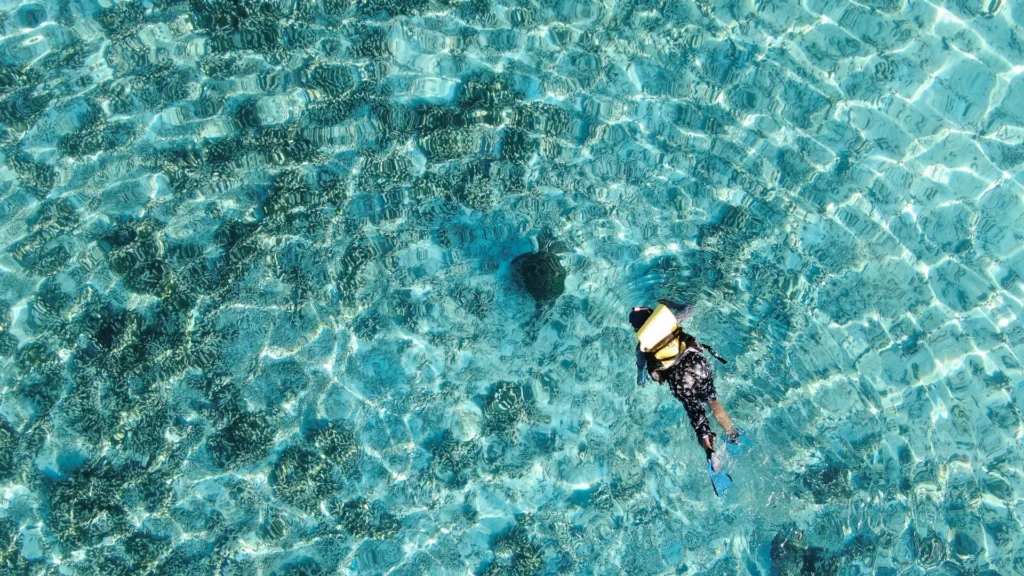
Great Barrier Reef, Australia – Structured Reef Science
Australia offers some of the most regulated and research-driven marine conservation volunteer programs globally.
Activities Include:
- Coral health assessments
- Crown-of-thorns starfish management
- Long-term reef monitoring
Strength: Structured scientific oversight and environmental regulation.
Limitation: Significant travel and living expenses for extended placements.
This model suits volunteers with higher budgets or for shorter stays seeking a esearch-intensive marine conservation volunteer experience.

Mozambique – Shark and Megafauna
Mozambique is known for its big marine life, above all whale sharks and manta rays.
Typical work:
- Shark ID
- Manta ray tracking
- Reef surveys
Strength: Time in the water with rare, iconic animals.
Trade-off: The focus is narrow, built around one or two species.
For divers seeking a shark-focused marine conservation volunteer placement, Mozambique stands out.

Indonesia – High Biodiversity Reef Monitoring
Raja Ampat holds more kinds of coral and fish than almost any reef on earth.
Activities:
- Logging coral types
- Fish counts
- Reef surveys
Strength: More sea life than almost anywhere on earth.
Trade-off: It is remote, and internal travel adds both cost and days.
These placements often appeal to volunteers seeking both marine conservation and community interaction.
Madagascar – Integrated Marine Conservation Volunteer Experience
Madagascar differs from many other marine conservation volunteer destinations because it combines multiple conservation strands within one placement rather than specialising narrowly.
Marine conservation volunteer programs in Madagascar typically include:
- Coral reef health monitoring
- Sea turtle monitoring
- Fish and invertebrate biodiversity surveys
- Coral restoration and artificial reef support
- Marine debris management
- Environmental education within coastal communities
- Exposure to small-scale fishing systems

Ecosystem Breadth
While some destinations focus solely on turtles, sharks or reef surveys, Madagascar’s marine conservation volunteer programs often integrate all of these components within a single coastal ecosystem.
For volunteers staying 4–12 weeks or longer, this offers broader exposure to how marine systems function as interconnected environments.
Direct Community Integration
In many tourism-heavy marine destinations, conservation work operates somewhat separately from local livelihoods.
In Madagascar, reef systems directly support small-scale fishing communities. A marine conservation volunteer there often sees how reef health intersects with food security and daily life.
This community context provides social and environmental perspective, particularly valuable for sabbatical professionals seeking deeper immersion.
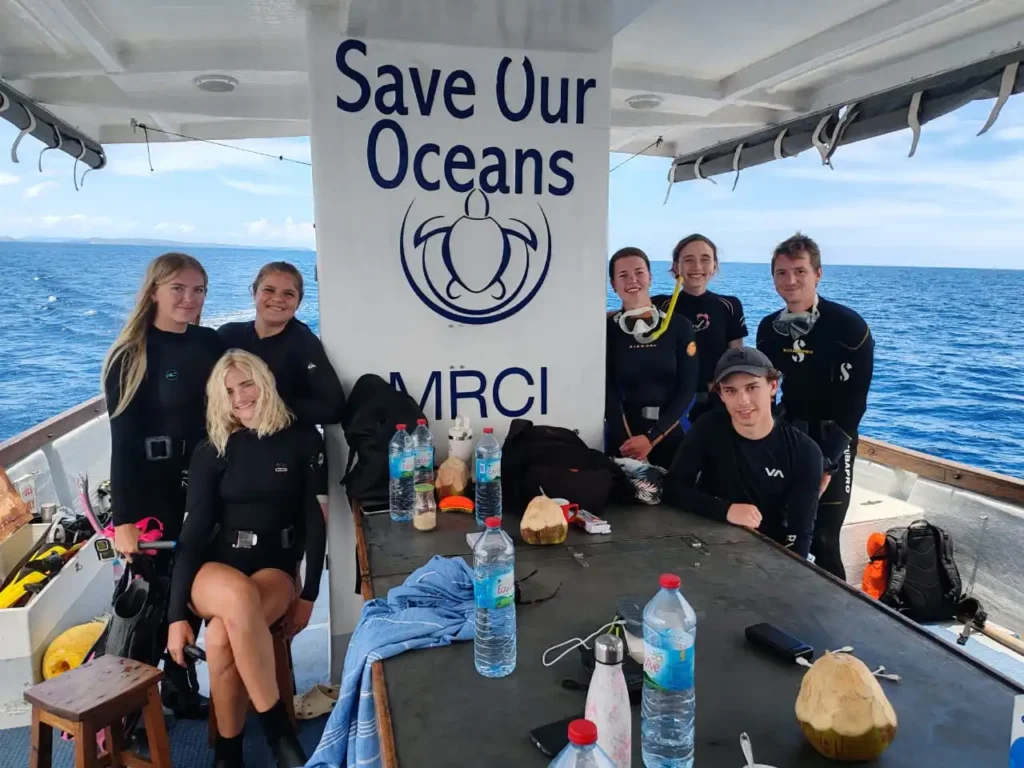
Lower Tourism Density
Madagascar’s north west coast is quiet next to the Maldives, Belize, Australia or Bali.
For volunteers, that means:
- Smaller teams
- A slower pace
- Few resorts
- More time among local people
For mid-career professionals stepping away from an office, it feels a world apart.

Affordability for Extended Marine Conservation Volunteering
While flights require planning, on-the-ground living costs in Madagascar are generally lower than Australia, Caribbean island nations or resort-based marine destinations.
For a marine conservation volunteer funding their own sabbatical, affordability can determine whether they stay for two weeks or two months. Longer placements typically allow for greater skill development and contribution.
Marine and Terrestrial Biodiversity
Madagascar is globally recognised for endemic wildlife. Few marine conservation volunteer destinations sit within a country known for such unique terrestrial ecosystems.
This creates opportunities for broader environmental exposure beyond the reef itself — an uncommon combination among marine placements.
Comparing Marine Conservation Volunteer Models
Destination Model | Strength | Trade-Off |
Integrated ecosystem model (Madagascar) | Multi-faceted marine conservation volunteer experience + community context | More remote, less resort-style comfort |
Turtle-focused (Costa Rica) | Clear wildlife role | Narrow ecosystem scope |
Shark/megafauna-focused (Mozambique) | Iconic species interaction | Species-specific emphasis |
Tourism-adjacent reef systems (Maldives, Belize) | High biodiversity, strong infrastructure | Higher costs, more commercial setting |
Research-intensive (Australia) | Structured scientific framework | Less community immersion |
Choosing the Right Destination to Volunteer
There is no one best place. It comes down to what you want.
- Want one species? Try Costa Rica or Mozambique.
- Want strict science, and have the budget? Go to Australia.
- Want reef work, turtle work and town life in one place, away from the crowds? Madagascar fits.
Whether you are on a gap year or a break from work, that mix shapes the trip more than any one animal does.
Do I need a science background to become a marine conservation volunteer?
Most programs train you on site. Some are research-led, but many are built for people with no formal background.
How long should I volunteer?
Most placements run from 2 to 12 weeks. Longer stays build better skills.
Is diving required?
Some programs ask for a dive licence. Others train you while you are there.
What should I consider before choosing a destination?
Cost, length of stay, how busy the place is, the focus of the work, and whether you want one species or the whole reef.
Final Thoughts
The landscape of marine conservation volunteer programs in 2026 is diverse. From turtle beaches to barrier reefs and shark research hubs, each destination offers a distinct model of engagement.
For volunteers seeking a focused, species-driven experience, certain destinations excel. For those wanting structured scientific exposure, others provide that framework.
But for individuals looking for a marine conservation volunteer placement that combines reef ecology, species protection, community integration, relative affordability and lower tourism density within one ecosystem, Madagascar represents one of the more comprehensive models currently available.
Understanding these distinctions ensures that your marine conservation volunteering experience aligns not only with your interest in ocean protection, but also with the depth and context you hope to gain from your time abroad.
AboutMadagascar Volunteer
Madagascar Volunteer is the team behind this website. Our writers and reviewers have all worked on the ground here, on our own programmes and in the villages we support. We aim to give you clear, current facts, so you know what a placement involves and can plan your trip with care. Every article is checked before it goes live. We believe in volunteering the right way: good for the people we work with, good for the wildlife, and good for you.