Marine Conservation Volunteer Program in Madagascar
Join Our Marine Conservation Volunteer Program
As a Marine Conservation Volunteer, you’ll participate in hands-on projects like underwater surveys, coral restoration, and beach clean-ups. Moreover, by becoming a marine conservation volunteer, you will contribute to real scientific research focused on protecting marine ecosystems while gaining essential skills in marine conservation. Choosing to become a marine conservation volunteer in Madagascar means joining a community dedicated to preserving one of the world’s most diverse marine ecosystems.
Apply now to join a marine conservation volunteer program in Madagascar


Why Volunteer for Marine Conservation in Madagascar with MRCI?
The Marine Conservation Program is run by the Madagascar Research and Conservation Institute (MRCI), a long-standing research organization dedicated to preserving Madagascar’s coastal marine ecosystems. As part of our research team, Marine Conservation Volunteers contribute to baseline data collection, reef health monitoring, and community outreach initiatives that promote sustainable marine resource management.
Benefits of Joining the Marine Conservation Volunteer Program
Volunteers gain the following
- Field experience relevant to conservation, marine biology, diving research, and ocean sciences
- Training in coral reef monitoring techniques and marine species identification
- Supervised participation in structured research surveys
- Exposure to international conservation standards and methodologies
- Opportunities to collaborate with coastal communities on sustainable marine resource practices
Therefore, this program is well-suited for students, emerging researchers, environmental science graduates, and individuals pursuing careers in marine conservation.
What You’ll Do as a Marine Conservation Volunteer
1. Underwater Surveys – As a marine conservation volunteer, you will help assess fish populations and monitor the diversity of invertebrates and substrates in local reefs. These surveys help us understand the health of marine ecosystems, providing essential information to guide future conservation strategies.
2. Coral Nursery – Work directly on the preservation and restoration of coral reefs by surveying the health of coral colonies, transplanting coral fragments, and maintaining our coral nurseries. As a volunteer, you’ll help monitor reef conditions and promote regeneration, a crucial step in marine life conservation and protecting these vulnerable ecosystems. Thus, this part of the program gives every marine conservation volunteer meaningful, hands-on involvement in coral restoration techniques.
3. Artificial Reefs for Marine Life Conservation – Assist in constructing and maintaining artificial reefs that provide essential habitats for marine life and support biodiversity. Through your marine volunteering, you’ll help clean algae and sponges from existing structures to ensure the reefs remain healthy, vibrant, and contribute to marine conservation.
4. Dive Against Debris – In partnership with PADI AWARE Foundation, this project empowers divers to combat marine debris through underwater clean-ups and data collection. As a result, by participating, you contribute valuable information that helps marine researchers and policymakers.
5. Coral Watch – This project is part of a global initiative to monitor coral health and raise awareness about climate change’s impact on reefs. As a marine conservation volunteer, you’ll gain hands-on experience collecting data on coral bleaching using the Coral Health Chart, contributing to valuable marine life conservation research.
6. Beach Clean-Ups – In partnership with Ocean Conservancy, we address ocean pollution in Madagascar through regular beach and village clean-ups. Nosy Komba’s tides allow marine conservation volunteers to collect litter at low tide, helping reduce the impact of plastic on marine life and ecosystems. Past efforts have identified litter “hotspots,” leading to community-managed clean-ups that are now a vital part of our volunteering initiatives. These clean-ups are an important way for each marine conservation volunteer to directly reduce the impact of pollution on ocean ecosystems.
7. Community Engagement – We actively engage with the local community to provide education on environmental issues, conservation, and the protection of biodiversity and marine life resources, such as fisheries and coral habitats. This part of the marine volunteering program empowers locals to become active stewards of their coastal environment.
8. Marine Protected Area – Turtle Towers, the house reef at Turtle Cove, was declared a marine protected area in November 2016. Volunteers are dedicated to monitoring the impact of this protection on marine life and educating local fishermen about the importance of preserving this area.
Marine Conservation Training & Diving Requirements
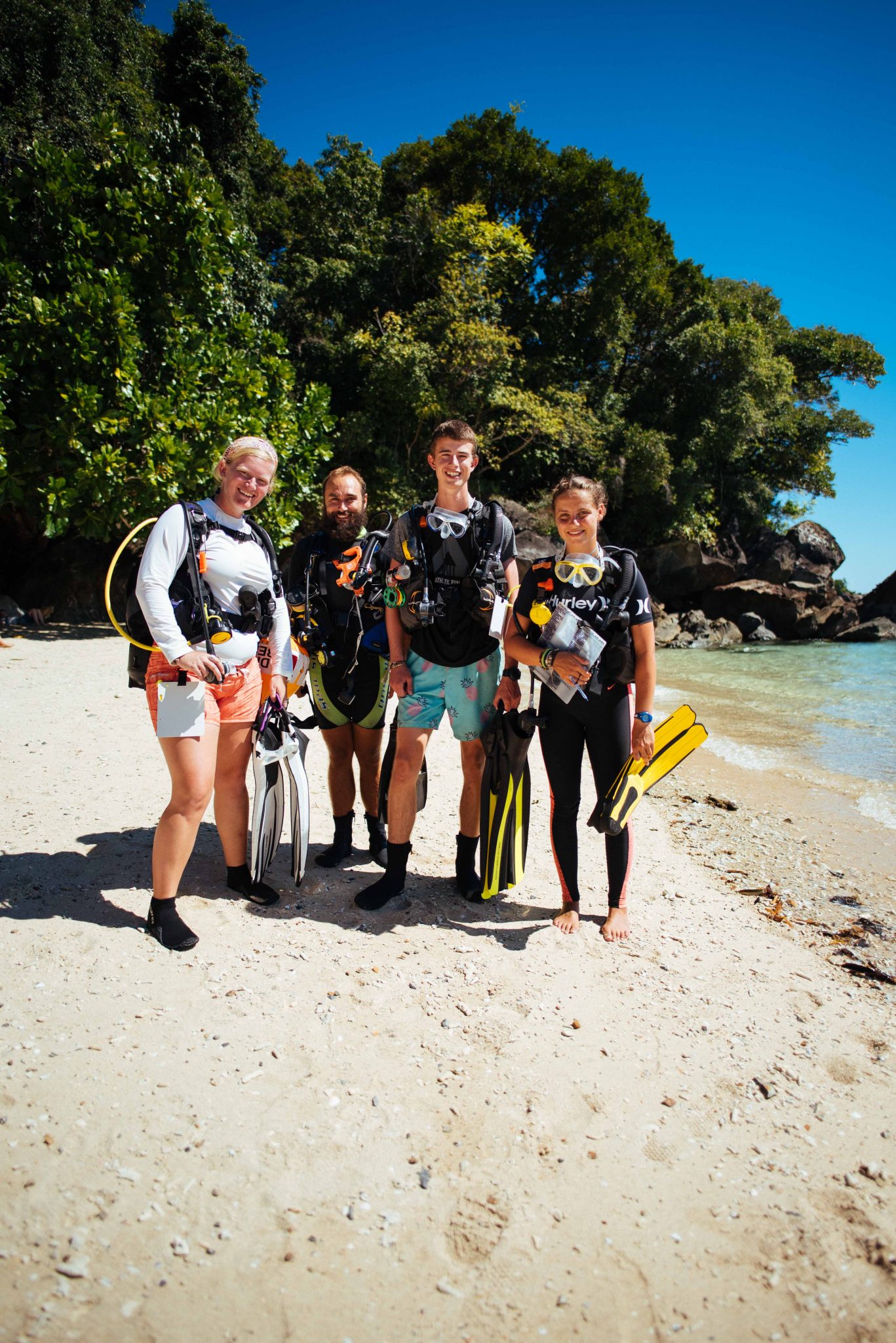
Every marine conservation volunteer receives structured training before participating in underwater research surveys, including:
- Marine species identification (fish, corals, and invertebrates)
- Coral reef ecology and reef health assessment methods
- Underwater survey protocols and baseline recording techniques
Required Certifications:
- PADI Open Water
- PADI Advanced Open Water
Volunteers who are not yet certified may complete their PADI diving courses on-site through the MRCI Diving School prior to joining research dives. Therefore, a minimum stay of 4 weeks is required to ensure adequate training and meaningful contribution to research activities.
Why Volunteer in Madagascar?
Becoming a marine conservation volunteer in Madagascar is more than just a marine volunteering trip, it’s a meaningful way to join MRCI and make a lasting impact on marine life. As part of a diverse, international team, you’ll contribute to real marine conservation efforts that protect coral reefs and ocean ecosystems. You’ll also build scientific, diving, and leadership skills that are highly valued in global marine volunteering careers
What Previous Volunteers Have To Say
Adam
VOLUNTEER“The Marine Programme was equally as rewarding and opened up a whole new world of exploration for me. I’d never dived before yet I achieved my Advanced Open Water and a total of 40 dives during my eight weeks here under the wonderful guidance of the instructors.”
Grace Anastasio
“Before I even arrived at camp it was obvious to me that Madagascar and MRCI would offer me an incredible adventure. Before hitting the ground I was already enamored with the country in which I would be lucky enough to spend one whole month”
Debra
“Volunteering at MRCI was one of the most rewarding and enjoyable experiences of my life! Four weeks on Nosy Komba flew by quickly as there was always training, studying and surveys to conduct. The marine program is incredibly well run with excellent teachers and dedicated researchers”
James Barker
“I left Madagascar knowing I might never experience anything quite as special anywhere else, but with a mind filled with new knowledge, a camera full of new experiences and new friends whom I will never forget”
Katherine Tracy
“The Forest and Marine projects allow you to get up close and personal with the incredible marine life and forest ecosystems of Madagascar. I was even fortunate enough to become a PADI certified advanced water diver thanks to my amazing instructor, Kyle”
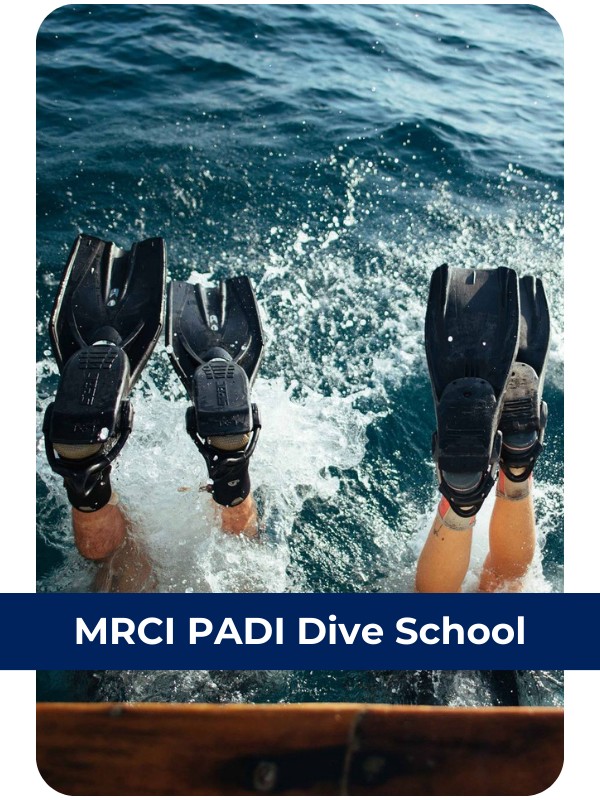
All marine volunteers are required to bring the following items to Madagascar, as these are not available for purchase on the island of Nosy Komba:
- PADI e-learning materials for the relevant course(s)
- Snorkel and mask (with tempered glass)
- Fins (open-heel with booties are more comfortable for frequent use)
- Wetsuit (long or short, 2mm recommended)
- Surface marker buoy (DSMB)
- Reel (a small finger reel will be adequate)
- Waterproof watch (optional)
- Dive compass
- Logbook (physical or digital)
Visit our MRCI PADI Diving School page for more information on our PADI diving courses. To purchase PADI e-learning material, please click here.
Program Costs
Start Dates:
All Year Round / Every first & third Monday of the month. Program fees include participation in the program as well as meals and accommodation at our Madagascar volunteer camp..
- 4 weeks - $2,475.00
- 5 Weeks - $2,890.00
- 6 Weeks - $3,305.00
- 7 Weeks - $3,720.00
- 8 Weeks - $4,135.00
- 9 Weeks - $4,550.00
- 10 Weeks - $4,965.00
- 11 Weeks - $5,380.00
- 12 Weeks - $5,795.00
Frequently Asked Questions
How does the registration process work for marine conservation volunteers?
To register, you complete the online application on the MRCI website and submit proof of diving certifications if applicable. Once accepted, you’ll receive pre-departure instructions, including travel, packing, and any PADI e-learning materials needed for the marine conservation volunteer program.
Do I need prior diving experience to join the Marine Conservation program?
No, you do not need prior diving experience; however, you must be PADI Advanced Open Water certified (or equivalent) to participate in the program. Beginners can complete PADI courses on-site at the MRCI Diving School.
Do I need to bring any medications with me?
Yes, you should bring any personal medications you require, including prescription medicines and over-the-counter remedies for common issues such as headaches, stomach upset, or allergies. While MRCI staff are trained to assist in emergencies, Madagascar marine conservation volunteers are responsible for their own medications. Bringing a personal first aid kit is advised.
What kind of visa do I need, and how do I obtain it
All volunteers require a tourist visa to enter Madagascar. For most nationalities, it is best to purchase a tourist visa upon arrival at the airport in Madagascar. Alternatively, you can apply for an e-visa online or at a Malagasy embassy in your home country. MRCI provides guidance and documentation to help with the visa application process.
How many hours will I be working each week?
Volunteer schedules vary depending on the project, but you can expect to work around 4–6 hours per day, including fieldwork, underwater surveys, and community engagement activities.
What is the typical group size for volunteer teams?
Groups typically consist of 6–12 volunteers, providing hands-on marine conservation training while ensuring safety and effectiveness in marine life conservation projects.
Can I volunteer with a group of friends or family?
Absolutely. Groups of friends or family members are welcome to join. MRCI can coordinate schedules to enable your group to participate in marine conservation volunteering together.
What are the accommodations like? Can I request my own room?
Volunteers stay in shared, comfortable accommodations at the Madagascar volunteer camp. Private rooms are limited and available at an additional cost. MRCI will do its best to accommodate requests where available. All facilities include basic amenities such as flush toilets and cold water showers, ensuring a safe and enjoyable stay.
Is Wi-Fi or internet access typically available?
Wi-Fi is not available at the volunteer camp. Volunteers can purchase a local SIM card and data to access the internet from their devices. MRCI encourages volunteers to disconnect from digital distractions and fully immerse themselves in marine life conservation and volunteering activities.
What do marine conservationists do?
Marine conservationists conduct research, monitor ecosystems, restore habitats, and promote sustainable practices to protect marine environments. In Madagascar, this includes coral restoration, the construction of artificial reefs, beach clean-ups, and community education. Volunteering provides hands-on experience in these activities.
What kind of impact will my volunteering have?
By participating in Madagascar marine conservation programs, volunteers help protect coral reefs, monitor marine species, reduce marine debris, and engage with local communities. Your work contributes directly to long-term marine life conservation efforts and sustainable ecosystem management.
Can I go on more than one program back-to-back?
Yes! Many Madagascar volunteers choose to extend their stay or participate in multiple programs consecutively. This allows you to gain more experience and make a greater impact in marine conservation.
Do volunteers receive a certificate at the end of the program?
Yes, volunteers receive a digital certificate of completion at the end of their program, recognizing their contribution and participation in the project.
How do I start a career in marine conservation?
Starting with marine conservation volunteering in Madagascar is a practical first step. Gaining experience with MRCI allows you to develop skills in species identification, coral monitoring, diving, and research, which are highly valued in marine conservation careers worldwide.
Are there opportunities for past volunteers to stay involved or support the organization?
Yes. Past Madagascar volunteers can continue supporting MRCI through fundraising, remote research assistance, mentoring new volunteers, or returning for additional marine programs.
How much notice is required to change my program start month?
We ask volunteers to provide at least four weeks’ notice if they need to change their program start month, so we can adjust schedules and accommodations accordingly.
What vaccinations should I have before traveling?
Madagascar does not require any vaccinations to enter the country. Commonly recommended vaccinations for Madagascar include Hepatitis A, Typhoid, and Tetanus. Malaria prevention medication is also advised. Always check with your doctor or a travel clinic before booking flights.
Apply Today
Ready to make a difference with the Marine Conservation Program in Madagascar? Join us at MRCI, where together, we can discover, conserve, and transform Madagascar for the better.
Contact us today to learn more and take your first step toward making a lasting impact.