
Blog
Volunteers are helping protect the world’s most endangered primates by supporting lemur monitoring, habitat surveys, reforestation, biodiversity assessments, environmental education and community-based conservation in Madagascar. Through MRCI projects, volunteers collect field observations, help protect forest habitat, support local awareness initiatives and contribute to conservation efforts that connect wildlife protection with sustainable livelihoods and responsible ecotourism.
Today, however, lemur conservation has become one of the world’s most urgent environmental priorities.
More than 95% of lemur species are now threatened with extinction due to habitat destruction, illegal wildlife trade, deforestation and climate pressures. Forests are disappearing rapidly across Madagascar, placing enormous pressure on fragile ecosystems and the communities that depend on them.
Despite these challenges, conservation efforts in Madagascar are making a real difference, especially when local communities, researchers and international volunteers work together.
At MRCI (Madagascar Research & Conservation Institute), volunteers help support practical, community-focused conservation projects that protect endangered lemurs while also supporting sustainable livelihoods and environmental education.
For travellers, students and wildlife enthusiasts looking to make a meaningful impact, Madagascar offers one of the most rewarding conservation volunteering experiences in the world.
Why Lemur Conservation Matters
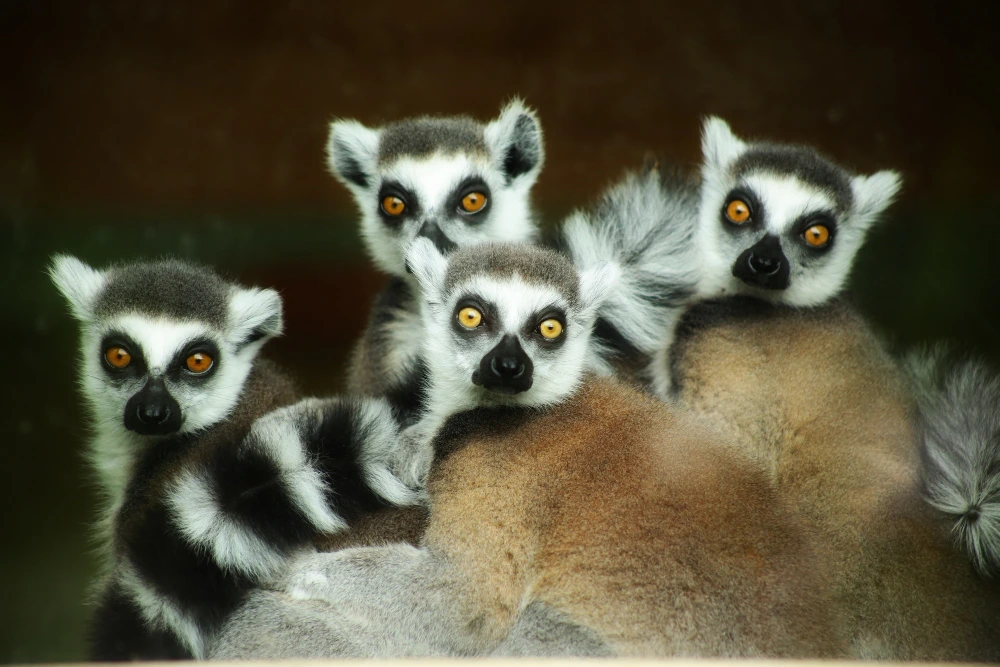
Lemurs live in the wild in just one place on Earth, and that place is Madagascar. There are more than 100 kinds, from mouse lemurs that weigh less than 70 grams to the famous ring-tailed lemur.
These animals keep the forest alive. They eat fruit and spread the seeds as they move through the trees, and new growth springs up where those seeds fall. Take the lemurs away and the forest slowly dies with them.
Madagascar has lost much of its forest over recent decades. The main causes are:
- Slash-and-burn farming.
- Illegal logging.
- Charcoal making.
- Mining.
- A growing human population.
- A shifting climate.
Climate change makes each of these worse. Rain falls at odd times, trees grow back slowly, and food becomes harder to find. Small, broken patches of forest suffer most of all, because animals cannot move between them.
The illegal trade of lemurs in Madagascar is another serious threat. Some lemurs are caught and sold as pets, while others are hunted for meat. Both harm the whole forest, not just the one species taken.
MRCI works to stop this through school talks, conservation work and projects run with the villages.
The Importance of Community-Based Conservation in Madagascar
One of the biggest lessons conservationists have learned is that wildlife protection only succeeds when local communities are involved.
Madagascar is one of the world’s poorest countries, and many rural communities rely directly on forest resources for survival. Effective conservation therefore, requires solutions that balance environmental protection with economic opportunity.
This is where sustainable ecotourism and volunteer conservation programmes can play an important role.
Responsible ecotourism creates jobs, supports local businesses and generates income that gives forests and wildlife greater long-term value.
On the island of Nosy Komba, where many MRCI projects are based, ecotourism has helped encourage greater protection of black lemurs and surrounding forest habitats.
Research featured by MRCI has explored ecotourism and Madagascar’s black lemur populations and how conservation-focused tourism can positively influence local attitudes toward wildlife protection.
Local communities are central to effective lemur conservation because they live alongside the forests that lemurs depend on. Conservation is more likely to succeed when communities benefit through education, employment, sustainable tourism and practical alternatives to activities that damage forest habitat.
By bringing international volunteers, researchers and eco-conscious travellers into local communities, conservation projects can:
- Support environmental education
- Create employment opportunities
- Reduce reliance on destructive practices
- Increase funding for conservation work
- Raise awareness of endangered species
- Encourage habitat preservation
This collaborative approach is increasingly recognised as one of the most effective long-term strategies for lemur conservation.

Black Lemurs: One of Madagascar’s Most Important Species
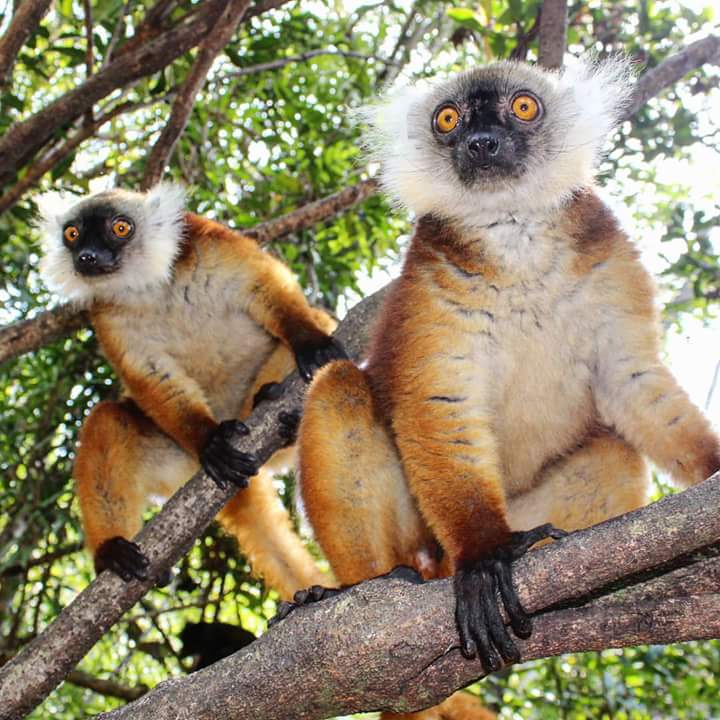
The black lemur is one of Madagascar’s most striking primates. It lives in the northwest of the island and on nearby islands such as Nosy Komba and Nosy Be, and it is known for being smart, social and bold.
Males have dark fur, while females are a rich red-brown with tufted ears.
The black lemurs of Nosy Komba and Nosy Be are both listed as endangered. You can check where any lemur species stands on the IUCN Red List.
Their numbers have fallen sharply in recent decades. The forest has been split into small patches, people have moved in, and hunting still goes on.
MRCI’s work around Nosy Komba helps these primates through:
- Forest patrols.
- Wildlife counts.
- Field research.
- School lessons.
- Village projects.
- Support for green tourism.
Conservation volunteers often watch lemurs in the wild while they gather data. That is what sets a field project apart from a holiday. You see the problem up close, and you help with the fix.

Lemur Conservation Volunteer Opportunities on Nosy Komba
You can volunteer with lemurs on Nosy Komba through MRCI’s Forest Conservation Volunteer Program, based at our Turtle Cove camp on the island.
Volunteers join daily survey hikes recording lemurs, reptiles, amphibians and birds, and take part in non-invasive acoustic bat monitoring. Habitat work includes removing invasive plants, collecting seeds, composting, working in the tree nursery and planting saplings. Night hikes record nocturnal wildlife, and our survey data supports population assessments carried out with the National Parks Department.
Every alternate week, volunteers camp overnight in the forest on Nosy Komba, and fortnightly guided walks take place in Lokobe Forest Reserve on nearby Nosy Be.
| Programme | Forest Conservation Volunteer Program |
| Location | Turtle Cove, Nosy Komba, and Lokobe Forest Reserve |
| Duration | 1 to 12 weeks, year-round |
| Start dates | First and third Monday of every month |
| Cost | From $720 for one week (2026) |
| Requirements | No previous conservation experience; moderate fitness for forest hikes |
| Included | Accommodation, three meals a day, transport and transfers, equipment, guided forest expeditions |
Nosy Komba has no roads and challenging forest paths, so a moderate level of fitness is needed. The programme fee covers accommodation and meals throughout your stay, and volunteers receive a certificate on completion.
How Volunteers Support Lemur Conservation with MRCI
Volunteers are an essential part of many conservation programmes in Madagascar.
At MRCI, conservation volunteers help support ongoing environmental initiatives that combine scientific research, habitat awareness and community engagement.
Depending on project needs and seasonal priorities, volunteer activities may include:
Wildlife Monitoring and Research
Monitoring lemur populations helps researchers understand behavioural patterns, habitat use and conservation pressures.
Volunteers help with
- Field observations
- Data collection
- Species identification
- Habitat surveys
- Behavioural recording
- Forest biodiversity assessments
Research data collected in the field can contribute to long-term conservation planning and environmental management.
Forest and Habitat Conservation
Lemurs cannot survive without trees, so forest work sits at the heart of lemur conservation.
MRCI runs this through its Forest Conservation Volunteer Program. It is the best fit if you want to help lemur habitat grow back.
Work includes:
- Planting trees.
- Clearing waste.
- Checking forest health.
- Running open days.
- Teaching better land use.
You learn first-hand how a healthy forest keeps wildlife alive.
Community Education and Awareness
Education is one of the most powerful tools in conservation.
MRCI works alongside local communities and schools to help promote environmental awareness and sustainable practices.
Volunteers may help support:
- Educational workshops
- Youth engagement activities
- Conservation awareness events
- Eco-club initiatives
- English language support linked to ecotourism development
Helping local communities benefit from conservation creates stronger long-term protection for Madagascar’s ecosystems.
Supporting Sustainable Ecotourism
Ecotourism can provide sustainable economic alternatives that reduce pressure on natural resources.
Responsible tourism also encourages global awareness of Madagascar’s biodiversity.
By participating in conservation volunteering programmes, travellers directly support:
- Local employment
- Eco-friendly tourism development
- Conservation education
- Small community businesses
- Environmental protection initiatives
- This creates positive incentives for preserving forests and wildlife habitats.
Responsible ecotourism can support lemur conservation when it benefits local communities, reduces pressure on forest resources and helps fund habitat protection, education and conservation work.
This community education work is closely connected to MRCI’s Community Development Program and Teaching Volunteer Program, which are useful internal resources for readers interested in education-focused volunteering.
Why Madagascar Is One of the Best Destinations for Conservation Volunteering
For people passionate about wildlife conservation, Madagascar offers an experience unlike anywhere else on Earth.
Few destinations combine such extraordinary biodiversity with such urgent conservation need.
Here are some of the reasons Madagascar has become a leading destination for conservation volunteers:
1. Unique Wildlife Found Nowhere Else
Around 90% of Madagascar’s wildlife is endemic.
In addition to lemurs, volunteers may encounter:
- Chameleons
- Geckos
- Rare birds
- Sea turtles
- Tropical marine ecosystems
- Unique rainforest flora
This biodiversity makes Madagascar one of the world’s highest conservation priorities.
2. Meaningful Hands-On Conservation Work
Many travellers want more than sightseeing.
Conservation volunteering allows participants to contribute directly to environmental projects while learning from researchers and local conservation teams.
3. Immersive Cultural Experiences
Volunteering in Madagascar also offers opportunities to experience local Malagasy culture, traditions and community life.
Living and working within local communities helps volunteers develop a deeper understanding of the relationship between people, livelihoods and environmental sustainability.
4. Sustainable and Responsible Travel
More travellers are seeking ethical tourism experiences that create positive social and environmental impact.
Conservation volunteering supports responsible travel while helping protect endangered species.
5. Personal and Professional Development
Students, graduates and career changers often gain valuable field experience in:
- Conservation biology
- Ecology
- Environmental science
- Wildlife research
- Sustainable tourism
- Community development
Many volunteers leave with increased environmental awareness, practical skills and unforgettable memories.
The Future of Lemur Conservation
The future of Madagascar’s lemurs depends on sustained conservation efforts, international awareness and community collaboration.
While the challenges facing Madagascar are significant, there are also reasons for hope.
Across the country, conservation organisations, researchers and local communities are working to:
- Protect remaining forests
- Restore damaged habitats
- Develop sustainable livelihoods
- Strengthen environmental education
- Promote responsible tourism
- Reduce illegal wildlife trade
Every volunteer, researcher, traveller and supporter can contribute to these efforts.
By participating in ethical conservation programmes, visitors help generate funding, awareness and long-term support for wildlife protection initiatives.
At MRCI, conservation projects aim to create lasting positive impact for both people and wildlife.
Through research, education and sustainable community partnerships, volunteers become part of a broader movement helping preserve Madagascar’s extraordinary biodiversity for future generations.
How You Can Help Protect Madagascar’s Lemurs
If you are passionate about wildlife conservation, environmental protection or responsible travel, volunteering in Madagascar offers a unique opportunity to make a real difference.
Whether you are a student, graduate, gap-year traveller or experienced conservation enthusiast, supporting lemur conservation projects can help:
- Protect endangered species
- Preserve rainforest habitats
- Support local communities
- Promote sustainable tourism
- Advance conservation research
- Raise global awareness of Madagascar’s biodiversity
The most effective way to support lemur conservation financially is to donate directly to a verified conservation organisation, review how the organisation uses funds, and favour projects that publish clear information about habitat protection, research and community involvement. MRCI accepts online donations through its conservation donation page.
When donating to lemur conservation projects, review how funds are used, whether the organisation works with local communities, and whether claims about conservation impact are supported by project updates or published evidence.
Madagascar’s lemurs are among the world’s most endangered animals, but with continued conservation efforts, there is still hope for their future.
By driving lemur conservation initiatives with MRCI, volunteers become part of a meaningful mission to help safeguard one of the planet’s most remarkable ecosystems.
Help Protect Madagascar’s Lemurs
Join MRCI’s conservation programmes and experience one of the world’s most important biodiversity hotspots while contributing to meaningful environmental and community-based conservation initiatives.
Learn more about volunteering opportunities in Madagascar and become part of the effort to protect endangered lemurs for future generations.
For further information see
- IUCN Red List Endangered Lemur Species
- WWF Lemur Conservation
- Lemur Conservation Network
Frequently Asked Questions
How much does it cost to volunteer with lemurs in Madagascar?
The cost to volunteer with lemurs in Madagascar varies based on the duration of your stay. Program fees at MRCI cover your accommodation at our volunteer camp, three meals a day, on-the-ground project training, and 24/7 staff support. Please visit our Volunteer Programs page for detailed pricing and availability.
Do I need a biology degree to be a lemur conservation volunteer?
No biology degree is required for most conservation volunteering roles unless a specific research placement says otherwise. Volunteers can often support observation, habitat monitoring, education and conservation-awareness work after project training.
How are lemurs protected?
Lemurs are protected through a combination of national laws in Madagascar, the establishment of protected national parks and reserves, and community-led conservation programs. Organizations like MRCI work alongside local communities to enforce anti-poaching measures, monitor vulnerable populations, and restore critical forest habitats through sustainable reforestation projects. Additionally, international treaties make it illegal to trade or keep lemurs as pets.
What is lemur conservation?
Lemur conservation involves protecting Madagascar’s endangered lemur species through habitat preservation, research, community education and sustainable development initiatives.
Are lemurs still endangered?
Yes, lemurs remain the most endangered group of mammals on Earth. According to the IUCN Red List of Threatened Species, over 95% of all known lemur species are currently facing the threat of extinction. Their populations continue to decline rapidly due to severe habitat loss from illegal logging, slash-and-burn agriculture, and climate change, making active conservation efforts more critical than ever.
Why are lemurs endangered?
Lemurs are threatened by deforestation, habitat destruction, illegal wildlife trade, hunting and climate-related environmental pressures.
Can you volunteer with lemurs in Madagascar?
Yes. Conservation volunteers in Madagascar can support wildlife research, habitat monitoring, environmental education and community conservation projects.
Why is Madagascar important for wildlife conservation?
Madagascar is home to thousands of species found nowhere else on Earth, making it one of the world’s most important biodiversity hotspots.
How does ecotourism help lemur conservation?
Responsible ecotourism creates sustainable income for local communities while encouraging habitat protection and wildlife conservation.
Can I support lemur conservation remotely?
Remote support may include donating, sharing conservation education resources, fundraising or following reputable conservation organisations. The page should not imply remote field volunteering exists unless MRCI offers a verified remote role.
AboutMadagascar Volunteer
Madagascar Volunteer is the team behind this website. Our writers and reviewers have all worked on the ground here, on our own programmes and in the villages we support. We aim to give you clear, current facts, so you know what a placement involves and can plan your trip with care. Every article is checked before it goes live. We believe in volunteering the right way: good for the people we work with, good for the wildlife, and good for you.